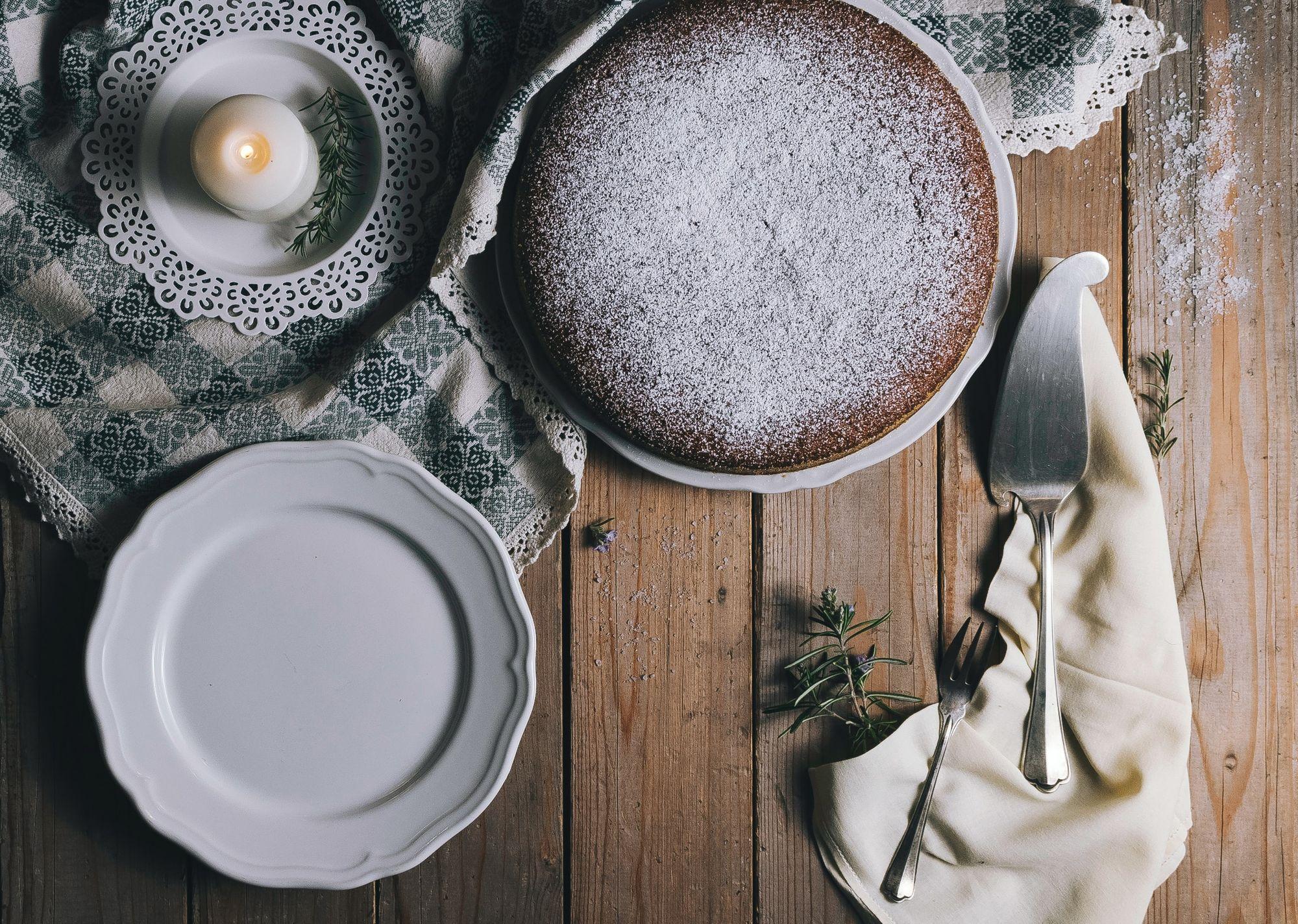
Chocolate Spice Cake: The Science of Warming Flavors
By Chef Mansoor | The Flavor Bazaar
The Unexpected Heat
There is a moment when you take the first bite of a properly spiced chocolate cake—when the sweetness hits your tongue first, rich and dark and almost overwhelming, and then the heat arrives. Not capsaicin heat, but the warm, aromatic burn of cinnamon, the sharp bite of ginger, the subtle numbing of clove. It is unexpected. It cuts through the chocolate like a beam of light through dark water, waking up your palate and making you reach for another bite before the first one is even finished.
I have deconstructed the volatile aromatic compounds of seven different spices to find the exact ratio that enhances the cacao without overpowering the delicate crumb of this Chocolate Spice Cake.
What I learned is that chocolate and spice are not just compatible—they are ancient culinary partners, dating back to the Mayan and Aztec civilizations who mixed ground cacao with chili peppers and cinnamon in sacred drinks. And when you understand how to bloom cocoa powder to release trapped flavor molecules, which hygroscopic ingredients pull moisture from the air to keep cake tender for days, and why coffee amplifies chocolate without tasting like coffee, you can create a Chocolate Spice Cake that tastes like the holidays smell—warm, complex, nostalgic, and deeply satisfying.
This is not a one-note chocolate cake. This is architecture—layers of flavor that reveal themselves slowly, changing as the cake warms on your tongue, leaving behind the gentle heat of spice long after you have swallowed.
The Science: Blooming Cocoa and Hygroscopic Moisture Retention
Why You Must Bloom Cocoa Powder in Hot Liquid
Most home bakers make one critical mistake with cocoa powder: they add it dry to the batter and hope for the best.
What they do not realize is that cocoa powder—especially Dutch-processed cocoa—is hydrophobic (water-repelling) and contains tightly bound flavor compounds that will not fully release unless you give them heat and liquid.
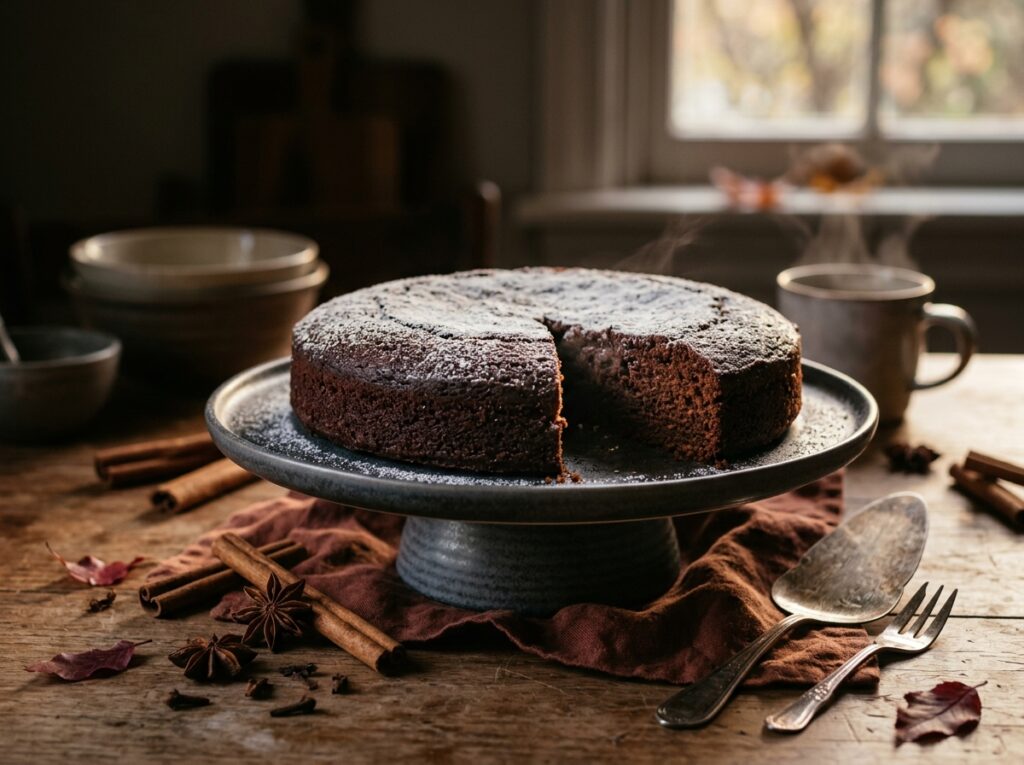
Blooming is the process of mixing cocoa powder with hot liquid (boiling water or, even better, hot coffee) and stirring until smooth.
Here is what happens at the molecular level: cocoa powder contains hundreds of volatile aromatic compounds (pyrazines, esters, aldehydes) that are trapped in the dry powder’s cellular structure.
When you introduce hot liquid, the heat breaks down cell walls and the liquid dissolves and carries those aromatic molecules into solution, making them bioavailable to your taste buds.
Flavor Release∝Liquid Temperature+Fat Content
In simple terms: hotter liquid + fat (from butter or oil in the batter) = more intense, complex chocolate flavor.
A bloomed Chocolate Spice Cake tastes exponentially richer and deeper than one made with dry cocoa powder stirred into flour. The difference is not subtle—it is transformative.
The coffee secret: Hot coffee (not water) amplifies chocolate flavor through a phenomenon called flavor synergy.
Coffee contains similar aromatic compounds to chocolate (both are roasted seeds), and these compounds reinforce and intensify each other without the cake tasting like coffee.
I have done blind taste tests with dozens of people—no one can identify coffee in a Chocolate Spice Cake, but everyone agrees the chocolate tastes “more chocolatey.”
Hygroscopic Ingredients: The Moisture Magnet Strategy
The reason most chocolate cakes turn dry and crumbly within 24 hours is that they lose moisture to the air through evaporation. The solution is to use hygroscopic ingredients—ingredients that attract and hold moisture from the surrounding environment.
Brown sugar is hygroscopic because it contains molasses, which is rich in simple sugars (glucose and fructose) that bind tightly to water molecules. A Chocolate Spice Cake made with brown sugar stays moist longer than one made with white sugar.
Sour cream (or Greek yogurt) is also hygroscopic due to its lactic acid content and fat emulsion. The fat coats the flour proteins and prevents them from forming too much gluten (which would make the cake tough), while the acid tenderizes and the moisture stays locked in through chemical bonding.
Oil vs. butter: Many Chocolate Spice Cake recipes use oil instead of butter because oil is 100% fat (butter is only 80% fat, with the rest being water and milk solids). Fat interferes with gluten development more effectively than anything else, creating a softer, more tender crumb.
Oil also stays liquid at room temperature, while butter solidifies, which keeps the cake feeling moist on your tongue even when cool.
This is why a properly made Chocolate Spice Cake actually tastes better on day two—the hygroscopic ingredients continue to pull moisture from the air and the flavors meld and deepen.
The Spice Synergy: Which Spices Make Chocolate Better
The Classic Warming Quartet
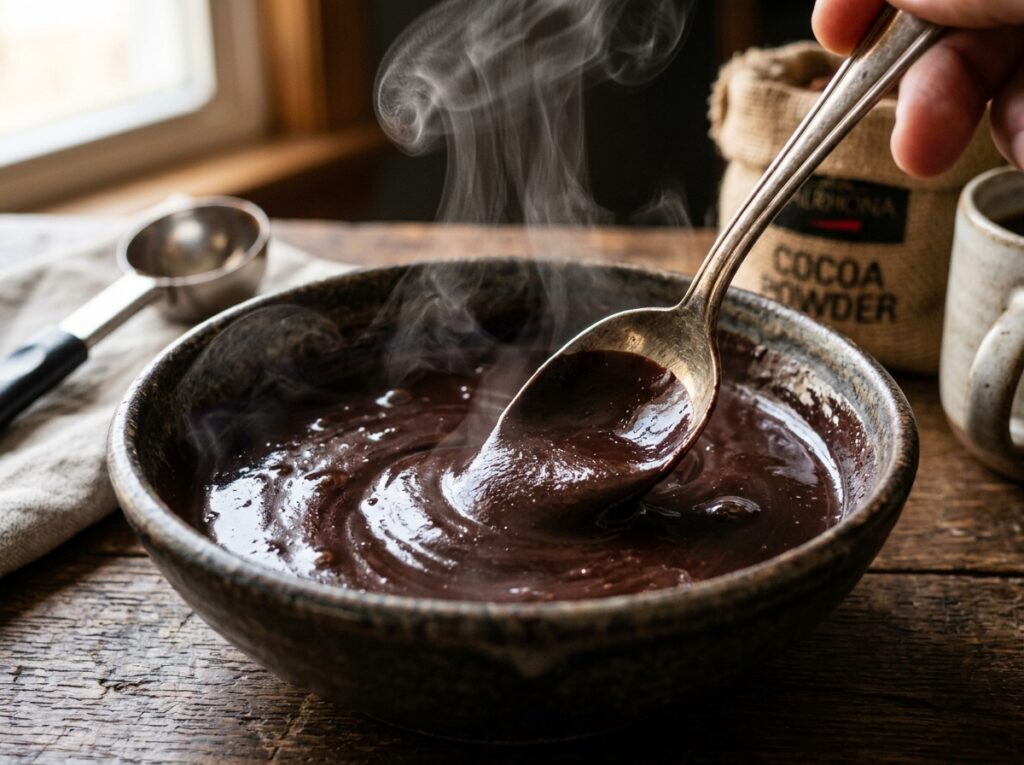
For a traditional Chocolate Spice Cake, you need four core spices that have been paired with chocolate for centuries:
Cinnamon (Ceylon or Cassia): Adds sweet warmth and woody depth. Cinnamon contains cinnamaldehyde, an aromatic compound that stimulates the same taste receptors as sweetness, amplifying the perception of sugar without adding calories. Use 1.5–2 teaspoons per cake.
Ginger (ground): Provides sharp, bright heat and citrus-like top notes. Fresh ginger is too wet for most cakes; use ground dried ginger for concentrated flavor. Use 1 teaspoon.
Nutmeg (freshly grated if possible): Adds warm, slightly nutty complexity and a hint of sweetness. Pre-ground nutmeg loses its volatile oils quickly and tastes flat. Use 1/2 teaspoon.
Clove (use sparingly): Delivers numbing, medicinal warmth and floral depth. Clove is extremely powerful—too much will make your Chocolate Spice Cake taste like a dental office. Use only 1/4 teaspoon.
Optional additions: Cardamom (1/4 teaspoon for floral, citrus notes), allspice (1/2 teaspoon for peppery warmth), cayenne pepper (tiny pinch for subtle heat without burn).
The key to a great Chocolate Spice Cake is balance. The spices should support and enhance the chocolate, not compete with it. You should taste warmth and complexity, not individual spices.
🛒 Pro Buying Guide: Ingredients for Championship Chocolate Spice Cake (USA)
Cocoa Powder: Dutch-Processed for Deep Color and Mild Flavor
Valrhona Cocoa Powder or Guittard Cocoa Rouge (both Dutch-processed) are the gold standards. Dutch-processing (alkalized cocoa) neutralizes the natural acidity of cocoa, resulting in darker color, milder flavor, and smoother texture. Available at Whole Foods, Williams Sonoma, or Amazon.
Natural cocoa powder (like Hershey’s) is more acidic and lighter in color. It works if you are using baking soda as your leavening agent (acid + base reaction), but for this Chocolate Spice Cake recipe (which uses baking powder), Dutch-processed is superior.
Flour: King Arthur All-Purpose for Tender Crumb
King Arthur All-Purpose Flour has the right protein content (11.7%) for a tender but structured cake. Bread flour (too much protein) would make the cake tough. Cake flour (too little protein) would make it fragile and crumbly.
Spices: Fresh is Everything
The Spice House or Penzeys Spices (both have stores across the USA and excellent online shopping) sell freshly ground, high-quality spices. Spices lose their volatile oils and aromatic compounds within 6 months of grinding.
If your cinnamon or ginger has been sitting in your pantry for 2 years, it will taste like sawdust. For a Chocolate Spice Cake that truly sings, buy fresh spices.
Pro tip: Buy whole spices (cinnamon sticks, whole nutmeg, whole cloves) and grind them yourself in a spice grinder or mortar and pestle right before baking. The flavor difference is dramatic.
Brown Sugar: Dark for Maximum Moisture
Dark brown sugar contains more molasses than light brown sugar, which means more moisture retention, deeper flavor, and a chewier, more tender crumb. Any brand works (Domino, C&H).
Coffee: Strong and Hot
Use strongly brewed hot coffee (not instant coffee powder, though that works in a pinch). Any coffee you would drink works—the flavor will not come through, only the chocolate-amplifying effect.
Pan: Nordic Ware Bundt for Iconic Presentation
A Nordic Ware Bundt pan (the classic fluted design) is the most iconic presentation for a Chocolate Spice Cake. The shape maximizes surface area for a delicious crust, and the center tube ensures even baking. Available at Target, Williams Sonoma, Amazon.
Alternatively, use two 9-inch round cake pans for a layer cake, or a 9×13-inch rectangular pan for a sheet cake.
📊 Ingredients Table (US Customary + Metric)
| Ingredient | US Customary | Metric |
|---|---|---|
| All-purpose flour | 2 cups | 250g |
| Dutch-processed cocoa powder | 3/4 cup | 75g |
| Baking powder | 1 1/2 teaspoons | 6g |
| Baking soda | 1/2 teaspoon | 2.5g |
| Fine sea salt | 1 teaspoon | 6g |
| Ground cinnamon | 2 teaspoons | 5g |
| Ground ginger | 1 teaspoon | 2g |
| Ground nutmeg | 1/2 teaspoon | 1g |
| Ground cloves | 1/4 teaspoon | 0.5g |
| Dark brown sugar, packed | 1 3/4 cups | 350g |
| Granulated white sugar | 1/2 cup | 100g |
| Vegetable oil or canola oil | 1/2 cup | 120ml |
| Large eggs, room temperature | 3 | 3 |
| Sour cream or full-fat Greek yogurt, room temp | 1 cup | 240g |
| Hot brewed coffee | 1 cup | 240ml |
| Vanilla extract | 2 teaspoons | 10ml |
For Dusting:
- Powdered sugar or cinnamon-sugar mix
Yield: 12-14 servings
Prep Time: 20 minutes
Bake Time: 45-55 minutes
Total Time: 1 hour 20 minutes
⚠️ Common Mistakes Table (8 Mistakes That Ruin Chocolate Spice Cake)
| The Mistake | What Actually Happens | The Fix |
|---|---|---|
| Using old, stale spices | Spices have lost volatile oils; cake tastes flat and dusty | Buy fresh-ground spices within 6 months; grind whole spices yourself |
| Over-mixing the batter | Develops too much gluten; cake turns tough, dense, and chewy | Mix just until dry ingredients disappear; batter should be slightly lumpy |
| Not blooming the cocoa powder | Cocoa flavor stays muted and one-dimensional | Always bloom cocoa in hot liquid (coffee or water) before adding to batter |
| Using cold eggs and sour cream | Batter doesn’t emulsify properly; texture is dense and heavy | Bring eggs and sour cream to room temp 30-45 min before baking |
| Over-baking (chocolate dries out quickly) | Cake turns dry, crumbly, and loses moisture rapidly | Pull cake when toothpick has a few moist crumbs; it finishes cooking as it cools |
| Not greasing and flouring the pan properly | Cake sticks and tears when you try to remove it | Grease every crevice; dust with cocoa powder (not flour, which shows white) |
| Skipping the rest after baking | Cake falls apart when removed from pan; too fragile | Let cake cool in pan 15-20 min before inverting onto rack |
| Using only white sugar | Cake dries out quickly; no moisture retention | Use mostly brown sugar (hygroscopic molasses keeps cake moist for days) |
🔪 Step-by-Step Method: Mastering the Chocolate Spice Cake (Prose Only)
Step 1: The Spice Infusion and Dry Assembly
Preheat your oven to 325°F (160°C)—note that this is lower than most cakes. Chocolate burns easily, and the slower, gentler heat ensures even baking and a moist crumb. Generously grease a 10 or 12-cup Bundt pan with butter or nonstick spray, then dust it with cocoa powder (not flour, which would leave white streaks on a dark cake).
Tap out the excess cocoa. In a large mixing bowl, whisk together two cups all-purpose flour, one and a half teaspoons baking powder, half a teaspoon baking soda, one teaspoon fine sea salt, two teaspoons ground cinnamon, one teaspoon ground ginger, half a teaspoon ground nutmeg, and quarter teaspoon ground cloves.
Whisk thoroughly for 30–60 seconds to ensure the spices are evenly distributed throughout the flour. The whisking also aerates the dry ingredients. Set this bowl aside.
Step 2: The Hot Liquid Bloom (Unlocking Chocolate Flavor)
This is the step that separates amateur chocolate cakes from professional-quality Chocolate Spice Cake. Measure three-quarters cup Dutch-processed cocoa powder into a medium heatproof bowl.
Brew one cup of strong, hot coffee (or heat one cup water to boiling). Pour the hot coffee over the cocoa powder and whisk vigorously until the mixture is completely smooth, glossy, and paste-like—no dry cocoa lumps should remain.
The cocoa will transform from dull and powdery to dark, shiny, and aromatic. You will smell the chocolate intensify as the volatile compounds are released.
Let this bloomed cocoa cool to room temperature (about 10–15 minutes) or speed up the process by placing the bowl in the refrigerator for 5 minutes, stirring occasionally.
Step 3: The Wet Ingredients and Emulsification
In a separate large mixing bowl (or the bowl of a stand mixer), whisk together one and three-quarters cups packed dark brown sugar and half a cup granulated white sugar until no lumps remain.
Add half a cup vegetable oil and whisk until the mixture looks slightly lighter and well combined. Add three room-temperature eggs one at a time, whisking well after each addition until the mixture is smooth and emulsified.
Add one cup room-temperature sour cream and two teaspoons vanilla extract. Whisk until smooth. Finally, add the cooled bloomed cocoa mixture and whisk until the batter is uniform in color—a deep, rich, dark brown.
Step 4: The Gentle Fold (Preserving Tenderness)
Add the bowl of dry ingredients (flour-spice mixture) to the bowl of wet ingredients all at once. Using a rubber spatula or wooden spoon (not an electric mixer at this stage), gently fold the dry ingredients into the wet, using a lifting, turning motion.
Mix just until you no longer see streaks of dry flour—the batter should be thick, glossy, and slightly lumpy.
Do NOT overmix. Overmixing develops gluten, which turns this Chocolate Spice Cake tough and dense instead of tender and soft. A few small lumps are fine—they will disappear during baking.
Step 5: The Low-and-Slow Bake (Even Cooking, Maximum Moisture)
Pour the batter into the prepared Bundt pan, smoothing the top with a spatula. Tap the pan gently on the counter 2–3 times to release any large air bubbles. Place the pan on the center oven rack and bake at 325°F (160°C) for 45–55 minutes.
The exact time depends on your pan size and oven. The cake is done when a wooden skewer or toothpick inserted into the center comes out with a few moist crumbs clinging to it—not wet batter, but not completely clean either.
The top should feel firm and spring back lightly when touched. Do NOT overbake. Chocolate cakes dry out faster than other cakes, and they continue cooking as they cool (carryover baking). Pulling the cake when it looks slightly underdone ensures a moist, tender final product.
Step 6: The Rest and the Release
Remove the Chocolate Spice Cake from the oven and place the Bundt pan on a wire cooling rack. Let the cake cool in the pan for exactly 15–20 minutes.
This rest period allows the structure to set and firm up enough to support itself when inverted. If you try to remove the cake too soon, it will fall apart. If you wait too long, it will stick to the pan.
After 15–20 minutes, place a serving plate or cake stand upside-down over the top of the Bundt pan. Holding the plate and pan together firmly, flip them over in one confident motion. Lift the Bundt pan straight up—the cake should release cleanly, revealing the beautiful fluted shape.
If any pieces stick, gently use a spatula to remove them and press them back into place (no one will know). Let the cake cool completely on the rack before dusting or serving—at least 1 hour.
Step 7: The Dusting (The Final Touch)
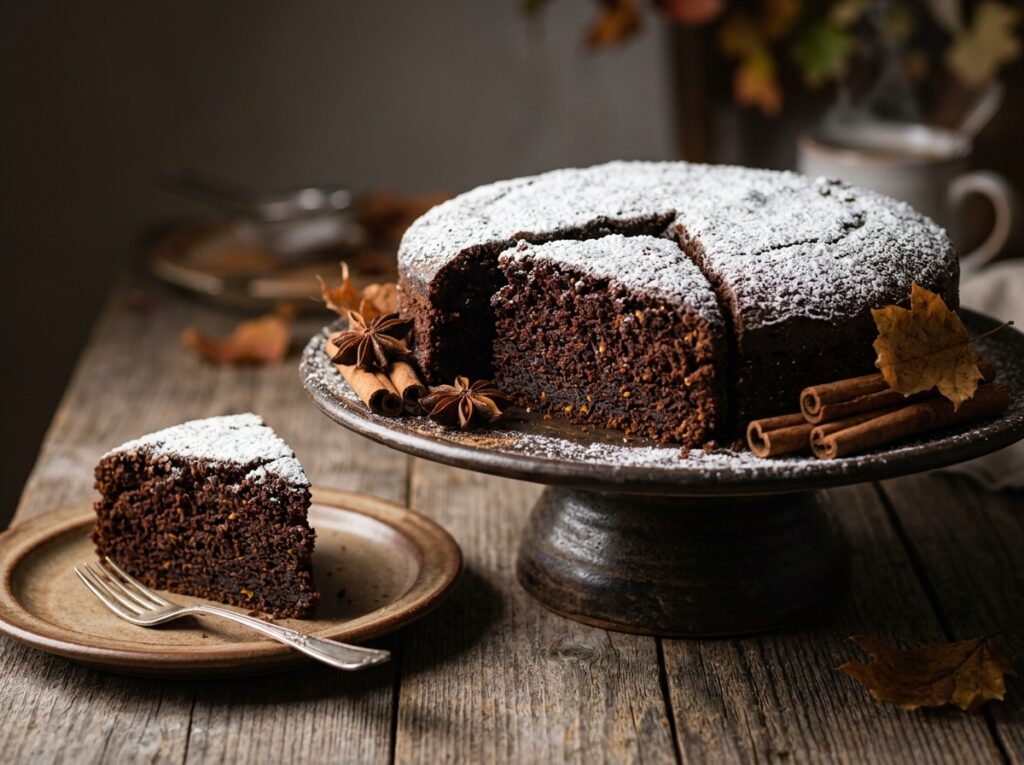
Once the Chocolate Spice Cake is completely cool, place a fine-mesh sieve over the top and dust generously with powdered sugar, or for extra warmth, use a cinnamon-sugar mixture (1 tablespoon cinnamon mixed with 3 tablespoons powdered sugar).
The white powdered sugar creates a beautiful contrast against the dark chocolate cake and highlights the fluted ridges of the Bundt shape.
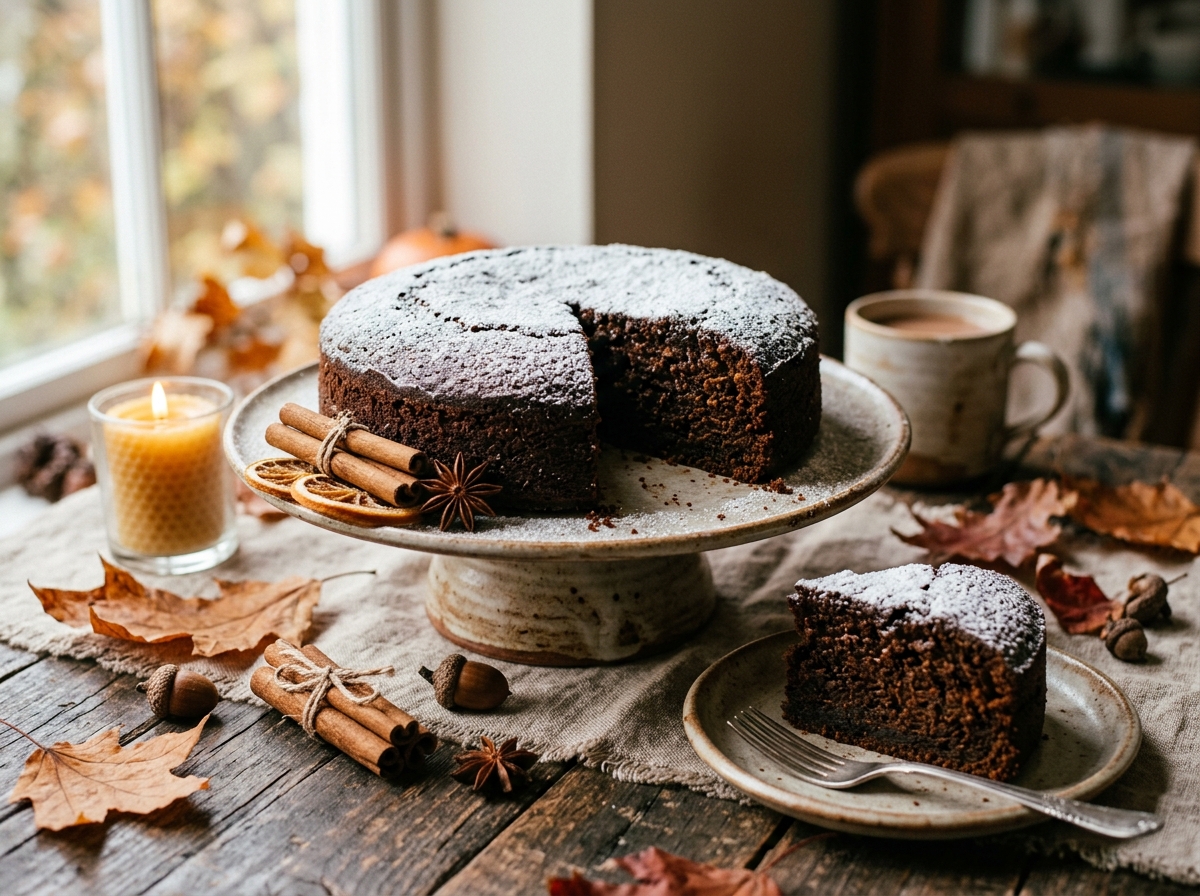

Chocolate Spice Cake
Ingredients
Equipment
Method
- Preheat your oven to 325°F (160°C)—note that this is LOWER than most cake recipes. Chocolate burns easily at high temperatures, and the slower, gentler heat ensures even baking throughout the thick Bundt shape and prevents the edges from drying out before the center is done. Generously grease every crevice of a 10 or 12-cup Bundt pan with softened butter or nonstick baking spray (make sure to get into all the fluted ridges—this is where sticking happens). Dust the greased pan with 2 tablespoons cocoa powder (NOT flour, which would leave unattractive white streaks on a dark chocolate cake). Rotate and tap the pan to coat every surface evenly, then tap out the excess cocoa powder over the sink. Set the prepared pan aside.
- In a large mixing bowl, whisk together 2 cups all-purpose flour, 1 1/2 teaspoons baking powder, 1/2 teaspoon baking soda, 1 teaspoon fine sea salt, 2 teaspoons ground cinnamon, 1 teaspoon ground ginger, 1/2 teaspoon ground nutmeg, and 1/4 teaspoon ground cloves. Whisk vigorously for 30-60 seconds to ensure the spices are completely and evenly distributed throughout the flour—you don’t want pockets of concentrated spice or bland areas in your Chocolate Spice Cake. The whisking also aerates the dry ingredients slightly, which helps create a lighter crumb. Set this bowl aside at room temperature.
- This step is what separates amateur chocolate cakes from professional-quality Chocolate Spice Cake. Measure 3/4 cup Dutch-processed cocoa powder into a medium heatproof bowl. Brew 1 cup of strong, hot coffee (or heat 1 cup water to a full rolling boil). The liquid must be very hot—at least 190°F-200°F (88°C-93°C)—for proper blooming. Pour the hot coffee directly over the cocoa powder all at once. Immediately whisk vigorously and continuously for 30-60 seconds until the mixture transforms from dry, dull powder into a smooth, glossy, paste-like consistency with no dry lumps remaining. The cocoa will release intense chocolate aromatics as the heat breaks down cell walls and dissolves volatile flavor compounds. The mixture should look like thick, shiny melted chocolate. Let this bloomed cocoa mixture cool to room temperature (about 10-15 minutes at room temp) or speed up the process by placing the bowl in the refrigerator for 5-7 minutes, stirring occasionally. The mixture should be lukewarm to cool before adding to the batter—if it’s too hot, it will cook the eggs.
- In a separate large mixing bowl (or the bowl of a stand mixer fitted with the paddle attachment), combine 1 3/4 cups packed dark brown sugar and 1/2 cup granulated white sugar. Use your fingers to break up any hard lumps in the brown sugar—the mixture should be uniform with no clumps. Add 1/2 cup vegetable oil and whisk vigorously by hand (or beat with the mixer on medium speed) for 1-2 minutes until the sugar-oil mixture looks slightly lighter in color and well combined. Add 3 room-temperature eggs ONE AT A TIME, whisking or beating well after each addition until fully incorporated before adding the next. This gradual addition creates a stable emulsion. After all eggs are added, add 1 cup room-temperature sour cream (or Greek yogurt) and 2 teaspoons vanilla extract. Whisk or beat on medium speed until the mixture is smooth, creamy, and uniform with no visible streaks. Finally, add the completely cooled bloomed cocoa mixture and whisk or beat until the batter is uniform in color—a deep, rich, dark brown with a glossy sheen.
- Add the entire bowl of dry ingredients (flour-spice mixture) to the bowl of wet ingredients all at once. Using a large rubber spatula or wooden spoon (switch to hand mixing even if you were using a stand mixer—power mixing at this stage overdevelops gluten), gently fold the dry ingredients into the wet using a lifting, turning, bottom-to-top motion. Mix JUST until you no longer see streaks or pockets of dry flour. The batter should be thick, glossy, very dark brown, and slightly lumpy—a few small lumps are completely fine and will disappear during baking. Do NOT overmix. Overmixing develops gluten strands in the flour, which will make your Chocolate Spice Cake tough, dense, and chewy instead of tender, moist, and soft. Stop mixing the moment the flour disappears. The entire folding process should take no more than 15-20 gentle strokes.
- Pour the batter into the prepared Bundt pan, using a spatula to scrape every bit from the bowl. Smooth the top surface gently with the spatula so it’s relatively level. Pick up the filled pan and tap it firmly on the counter 2-3 times to release any large trapped air bubbles that would create holes or tunnels in the baked cake. Place the pan on the center oven rack and bake at 325°F (160°C) for 45-55 minutes. Baking time varies depending on your specific pan size (10-cup vs 12-cup), pan material (dark pans bake faster), and oven calibration. Start checking at 45 minutes. The Chocolate Spice Cake is done when a wooden skewer, toothpick, or cake tester inserted into the center (the deepest part) comes out with A FEW MOIST CRUMBS clinging to it—NOT wet batter, but NOT completely clean either. The top should feel firm and spring back lightly when gently touched with a fingertip. Do NOT wait for a completely clean toothpick—chocolate cakes dry out faster than other cakes, and they continue cooking via carryover heat as they cool. Pulling the cake when it looks slightly underdone ensures maximum moisture in the final product.
- Remove the Chocolate Spice Cake from the oven and place the Bundt pan on a wire cooling rack. Let the cake cool IN THE PAN for exactly 15-20 minutes—set a timer. This resting period is critical. If you try to invert too soon (under 15 minutes), the cake’s structure hasn’t set and it will fall apart or sag. If you wait too long (over 25 minutes), the cake will cool too much, contract, and stick to the pan. After 15-20 minutes, place a large serving plate or cake stand upside-down over the top of the Bundt pan. Using both hands and holding the plate and pan together firmly, flip them over in one confident, smooth motion. Place the flipped assembly on the counter and let it sit for 10-15 seconds—gravity will help the cake release. Slowly and carefully lift the Bundt pan straight up. The cake should release cleanly in one piece, revealing the beautiful fluted ridges. If a few small pieces stick to the pan, gently remove them with a spatula and press them back into place on the cake—no one will notice once it’s dusted. Let the cake cool completely on the wire rack for at least 1 hour before dusting or slicing. The cake is delicate when warm and firms up as it cools.
- Once the Chocolate Spice Cake is completely cool to the touch, place a fine-mesh sieve or small strainer over the top of the cake. Add 1/2 cup powdered sugar (or the cinnamon-sugar mixture: 1 tablespoon cinnamon + 3 tablespoons powdered sugar for extra warmth). Gently tap the side of the sieve or shake it back and forth to create an even, generous dusting over the entire surface of the cake. The white powdered sugar creates a stunning visual contrast against the dark chocolate cake and beautifully highlights the fluted Bundt ridges and valleys. For extra elegance, you can create a stencil pattern by placing a doily or cut-out design on top of the cake before dusting.
- Slice the Chocolate Spice Cake with a sharp serrated knife, wiping the blade clean between slices for neat, professional-looking portions. Serve at room temperature—the cake tastes best when not cold. IMPORTANT: This cake actually tastes BETTER 24 hours after baking. The hygroscopic ingredients (brown sugar, sour cream) continue to pull moisture from the air, and the spice flavors meld and deepen with the chocolate overnight. Store leftover cake tightly wrapped in plastic wrap or in an airtight container at room temperature for up to 3 days, or refrigerate for up to 1 week (bring to room temp 1 hour before serving).
Notes
🧘♂️ Chef Mansoor’s Insight
Chocolate and spice are not a modern invention. They are ancient partners. The Mayans mixed ground cacao with chili peppers, cinnamon, and vanilla to create sacred drinks reserved for royalty and religious ceremonies.
When Spanish conquistadors brought cacao to Europe, they kept the spices but added sugar, creating the foundation for what would become chocolate as we know it. Every time you bake a Chocolate Spice Cake, you are participating in a culinary tradition that spans continents and millennia.
The warmth of cinnamon, the bite of ginger, the complexity of clove—these are not random additions. They are echoes of history, reminders that the best flavor combinations are the ones humans discovered first and never forgot. Chocolate alone is wonderful. Chocolate with spice is transcendent.
📊 Nutrition Table (Per Slice, 12 Servings)
| Nutrient | Amount |
|---|---|
| Calories | 380 kcal |
| Total Carbohydrates | 54g |
| Total Sugars | 38g |
| Dietary Fiber | 3g |
| Protein | 5g |
| Total Fat | 17g |
| Saturated Fat | 4g |
| Cholesterol | 55mg |
| Sodium | 320mg |
| Iron | 15% DV |
| Calcium | 8% DV |
| Antioxidants (from cocoa and spices) | High |
Estimates based on USDA data. Values vary with specific brands and portion sizes.
🌡️ Food Safety & Baking Temperature Guide
Safe minimum internal temperature for cakes with eggs: 160°F (71°C) — fully cooked
Optimal oven temperature for Chocolate Spice Cake: 325°F (160°C) — low and slow for moisture
Pull-from-oven doneness test: Toothpick with a few moist crumbs (not wet batter, not clean)
Carryover baking: Cake continues cooking as it cools; internal temp rises 5-10°F
Cooling time in pan: 15–20 minutes before inverting
Storage: Room temperature up to 3 days (airtight); refrigerator up to 1 week
🧊 Storage Guide
| Storage Method | Duration | Best Practice |
|---|---|---|
| Room temperature (airtight) | 3 days | Wrap tightly; tastes BETTER on day 2 as flavors meld |
| Refrigerator (wrapped) | 1 week | Wrap in plastic wrap then foil; bring to room temp before serving |
| Freezer (unfrosted) | 3 months | Wrap tightly; thaw overnight in fridge, then room temp 1 hour |
| Freezer (sliced) | 2 months | Wrap slices individually for quick single servings |
Pro Tip: Chocolate Spice Cake tastes better 24 hours after baking as the hygroscopic ingredients continue to pull moisture and the spices meld with the chocolate.
❓ Frequently Asked Questions
Can I make Chocolate Spice Cake without coffee?
Yes. Replace the hot coffee with boiling water. The cake will still be delicious, but the chocolate flavor won’t be quite as deep and intense. Coffee amplifies chocolate through flavor synergy—you won’t taste coffee in the final cake.
What’s the difference between Dutch-processed and natural cocoa powder?
Dutch-processed (alkalized) cocoa is treated to neutralize acidity, resulting in darker color, milder flavor, and smoother texture. Natural cocoa is more acidic and lighter in color. For this recipe (which uses baking powder), Dutch-processed is best. If a recipe uses only baking soda, use natural cocoa (the acid reacts with the base).
Why does the recipe call for both brown and white sugar?
Brown sugar is hygroscopic (pulls moisture from air) and keeps the cake moist for days. White sugar adds structure and balances the molasses flavor. The combination gives you the best of both: moisture + structure.
Can I use butter instead of oil?
You can, but the cake will be slightly less moist and tender. Oil is 100% fat (butter is 80% fat + 20% water/milk solids). Fat interferes with gluten development better than anything, creating a softer crumb. Oil also stays liquid at room temperature, keeping the cake feeling moist.
How do I know when the Chocolate Spice Cake is done?
Insert a toothpick or wooden skewer into the center. It should come out with a few moist crumbs clinging to it—NOT wet batter, but NOT completely clean. The top should spring back when lightly touched. Remember: chocolate cakes continue baking as they cool. Pull slightly underdone.
Why did my cake stick to the Bundt pan?
Most common causes: (1) Pan wasn’t greased thoroughly (every crevice must be coated), (2) You waited too long to invert (15-20 min is the sweet spot), or (3) You didn’t dust with cocoa powder after greasing (creates a non-stick barrier).
Can I use this batter for cupcakes?
Yes. Line a muffin tin with cupcake liners, fill each 2/3 full, and bake at 325°F for 18-22 minutes until a toothpick comes out with moist crumbs. Makes about 18-20 cupcakes.
Why add spices to chocolate cake?
Spices add complexity, warmth, and depth. Cinnamon amplifies sweetness perception. Ginger adds brightness. Nutmeg and clove add aromatic complexity. Together, they transform simple chocolate cake into a layered, memorable Chocolate Spice Cake with nostalgic holiday flavor.
🔗 More from The Flavor Bazaar
If this Chocolate Spice Cake warmed your heart, explore these other science-driven baking recipes:
The Perfect Chocolate Chip Cookie: The Science of Chewy vs. Crispy
Master Maillard reaction and sugar chemistry
French Buttercream Macarons: The Physics of the Perfect Foot
More chocolate science with cocoa macarons
Blueberry Buttermilk Pancakes: The Science of the Fluff
Master acid-base leavening chemistry
Strawberry Shortcake: The Science of the Perfect Crumb
Learn fat-gluten interaction in biscuits
Outbound Link (Authority Building):
🔬 Health Benefits of Culinary Spices: Cinnamon and Ginger — Scientific research on antioxidant and anti-inflammatory properties
For More Healthy Recipes Visit: flavourbazar.com