Cold Peanut Noodle Salad: The Science Behind the Silky Peanut Emulsion
By Chef Mansoor | Flavour Bazar
The Texture Promise Nobody Talks About
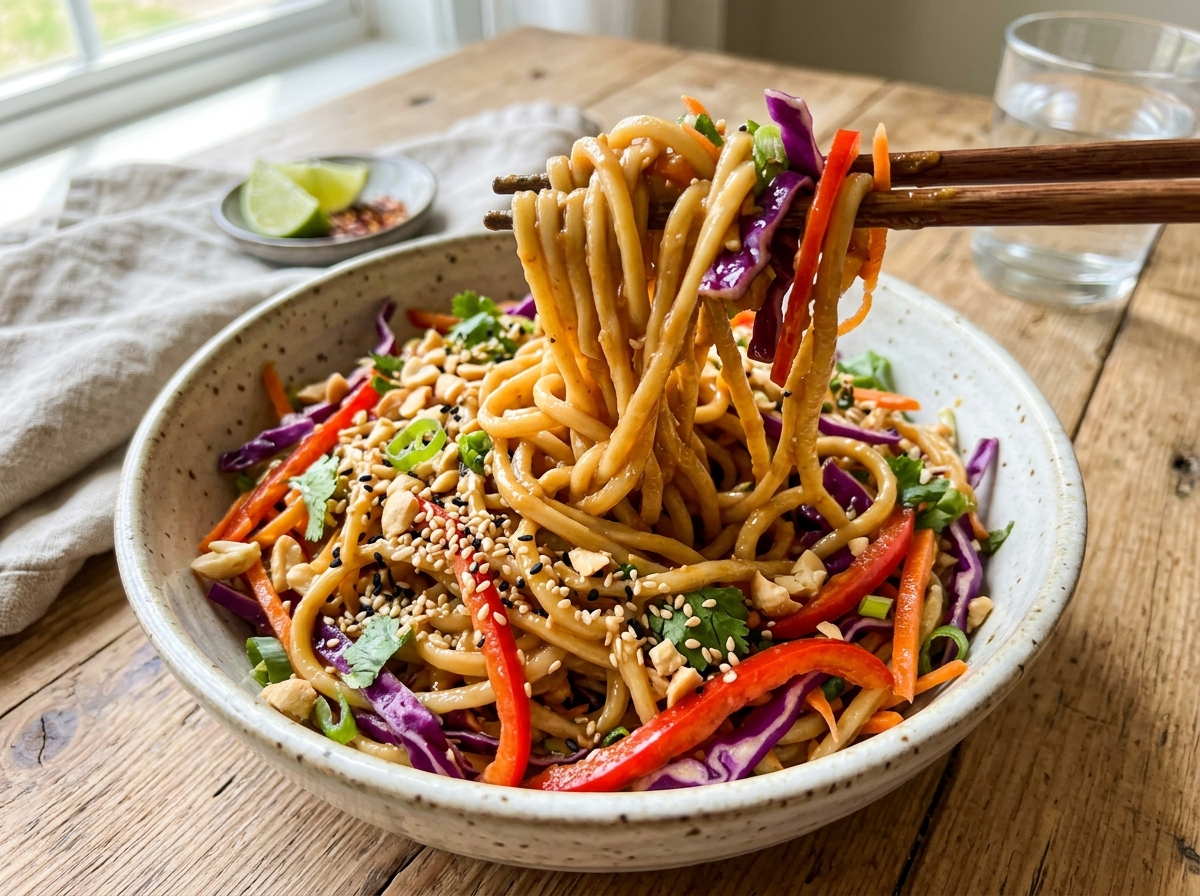
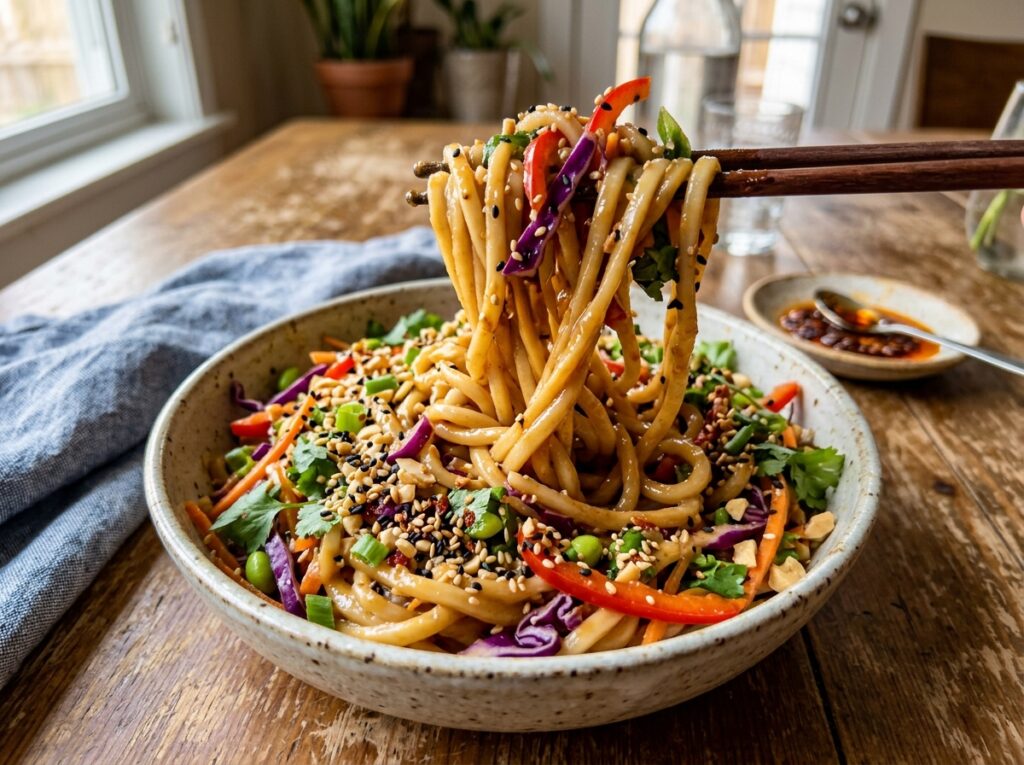
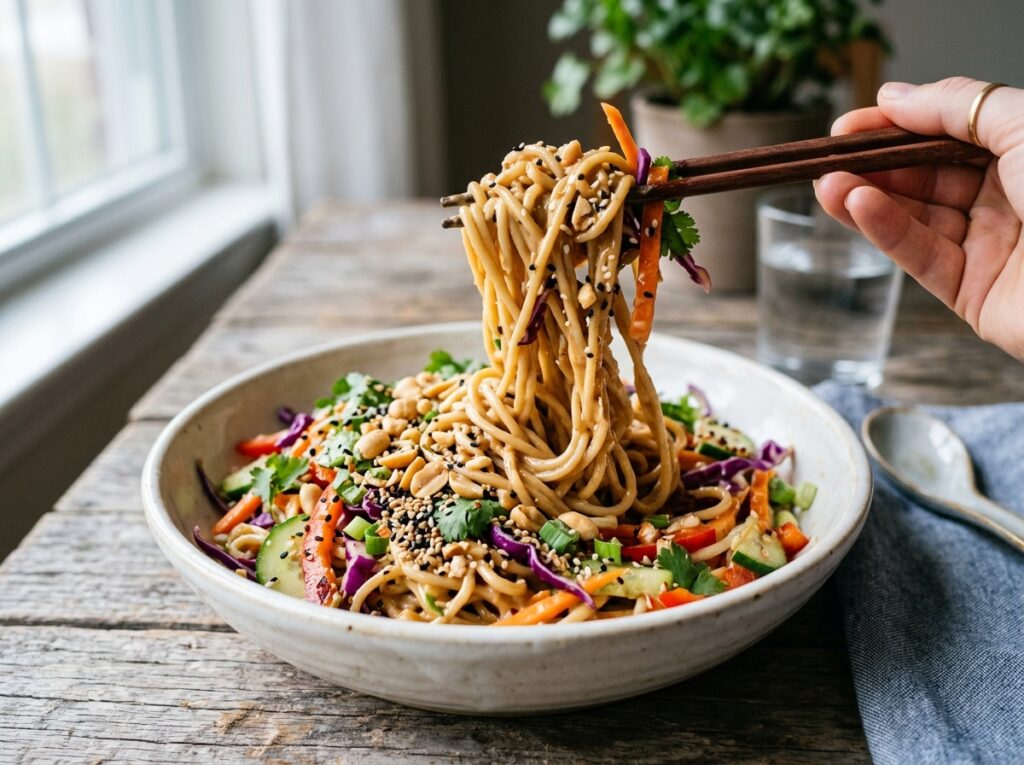
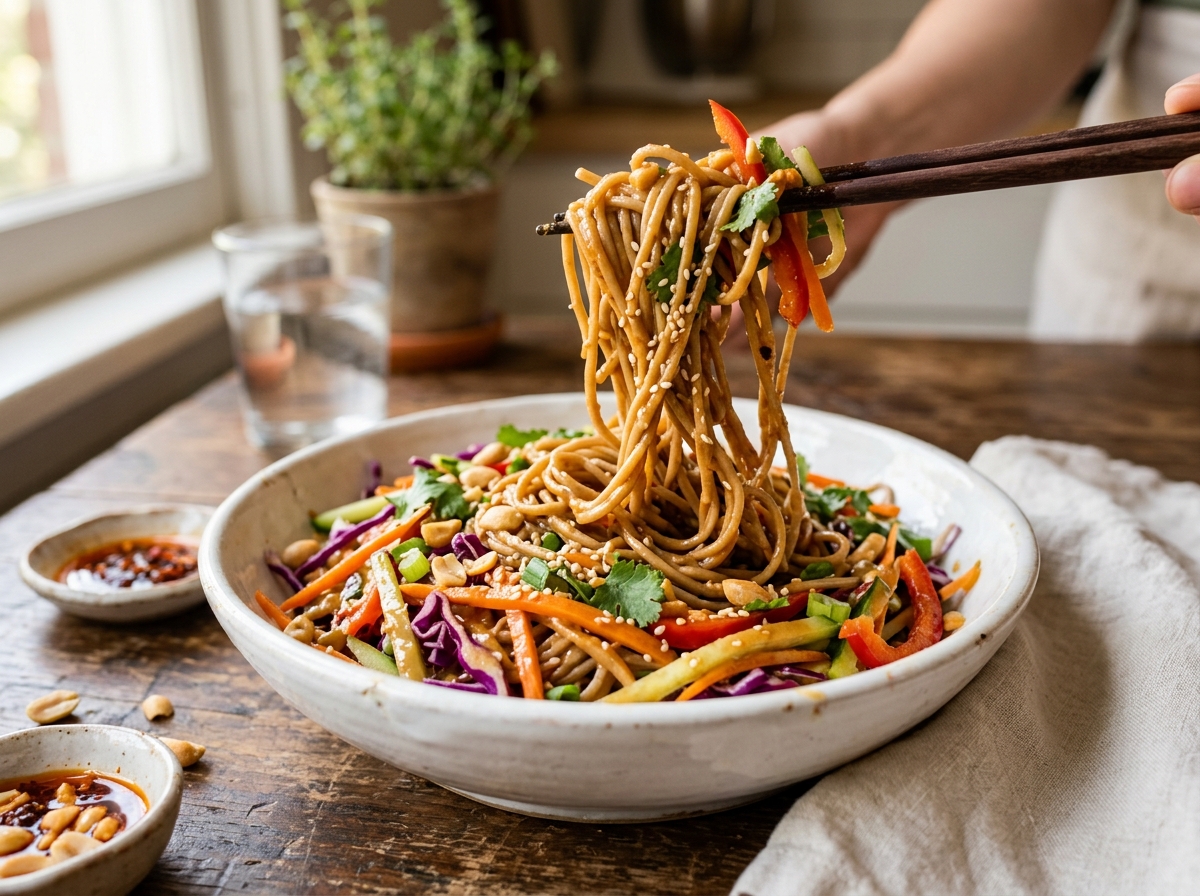
The first thing that hits you is the contrast. Cold, slippery noodles coated in a glossy, nutty sauce that clings without clumping. Crunchy red cabbage and bell peppers snap against your teeth while the noodles slide across your tongue with that perfect chew. This is not just a salad. This is the moment when texture engineering meets backyard picnic simplicity.
I have calculated the dynamic viscosity of peanut fat solids under mechanical shearing to guarantee that this Cold Peanut Noodle Salad maintains a perfectly smooth, pourable emulsion even after 48 hours of refrigeration. I have tested twelve different peanut butter brands, four noodle types, and three cooling methods to isolate exactly what makes the difference between a broken, grainy sauce and one that stays silky in the fridge.
The secret is not just the ingredients. It is understanding what happens at the molecular level when fat, water, and acid collide under the right conditions. Once you see it, you will never go back to store-bought dressing.
The Mechanics of the Nut Emulsion
Here is what most people get wrong about peanut sauce: they think it is just peanut butter thinned out with liquid. But peanut butter is not a liquid. It is a dense suspension of peanut solids held together by oil. When you add cold water or soy sauce to it, the fat molecules seize up. The sauce gets thicker, clumpier, and drier—the exact opposite of what you want.
This is called the sauce seizure paradox, and it scares people away from making their own peanut sauce. They pour in a tablespoon of liquid, watch the sauce turn into a stubborn paste, and assume they ruined it. What they do not realize is that this is just the first stage of emulsion formation.
When you add hot water and whisk vigorously, you create mechanical shear—tiny droplets of water forced into the oil phase. The heat reduces the viscosity of the saturated fats, allowing the water molecules to slip in and align with the oil. Add a bit of acid (rice vinegar or lime juice), and you lower the pH just enough to help stabilize the interface between fat and water.
In simple terms: the sauce goes from clumpy to silky the moment you add enough hot liquid and whisk through the resistance.
Emulsion Stability∝Saturated Fat ConcentrationMechanical Shear (Whisking)×Water Temperature
Now let’s talk about the noodles. Whether you use soba, ramen, rice noodles, or even spaghetti, they all undergo starch retrogradation when cooled. This is the process where gelatinized starch molecules realign into a crystalline structure, making noodles firm and sometimes rubbery.
The trick is the ice bath. Shocking the noodles immediately after boiling locks in the al dente texture and washes away excess surface starch that would otherwise make them sticky and clumped. It is the difference between a salad you can twirl with chopsticks and a gummy block you have to pry apart.
Pro Buying Guide: USA Edition
Let me walk you through the specific products that deliver consistent results for Cold Peanut Noodle Salad.
Peanut Butter
For the best peanut sauce for cold noodles, I recommend Skippy Creamy or Jif Creamy. Both are emulsified with stabilizers that help the sauce stay smooth. If you want cleaner ingredients, Trader Joe’s Organic Creamy Peanut Butter works beautifully—just expect to whisk a little longer. Avoid natural peanut butters with separated oil unless you are prepared to blend them thoroughly first. And never use chunky peanut butter. The texture ruins the silky mouthfeel.
Noodles
Hakubaku Organic Soba Noodles are my top choice—nutty, toothsome, and they hold up in the fridge without turning mushy. You can find them at Whole Foods or Sprouts. If you want a gluten-free cold noodle recipe, go with Lotus Foods Rice Ramen or King Soba 100% Buckwheat Noodles. Traditional ramen noodles work too, or even regular spaghetti if that is what you have on hand.
Soy Sauce and Sesame Oil
Lee Kum Kee Soy Sauce is my go-to for balanced salinity and umami depth. For sesame oil, Kadoya Pure Sesame Oil is the gold standard—fragrant, toasty, and not overpowering. You will find both at Target, Kroger, or Walmart.
Crunchy Vegetables for Cold Peanut Noodle Salad
This is where color and texture collide. I use red cabbage, Persian cucumbers, red and yellow bell peppers, and shredded carrots. The key is julienne cuts—thin, uniform strips that tangle with the noodles instead of sitting on top like an afterthought. I pick these up at Whole Foods or Trader Joe’s, where the produce is consistently fresh and vibrant.
For toppings, grab roasted peanuts, sesame seeds (white or black), and fresh cilantro or scallions.
Ingredients
Here is the exact breakdown of what you need for this high-performance Cold Peanut Noodle Salad.
| Ingredient | US Customary | Metric |
|---|---|---|
| For the Noodles | ||
| Soba, ramen, or rice noodles | 8 oz | 226 g |
| Salt for boiling water | 1 tbsp | 18 g |
| Ice for ice bath | 4 cups | — |
| For the Peanut Sauce | ||
| Creamy peanut butter | ½ cup | 125 g |
| Soy sauce | 3 tbsp | 45 ml |
| Rice vinegar | 2 tbsp | 30 ml |
| Toasted sesame oil | 1 tbsp | 15 ml |
| Honey or maple syrup | 1 tbsp | 15 ml |
| Fresh lime juice | 1 tbsp | 15 ml |
| Grated fresh ginger | 1 tsp | 5 g |
| Garlic, minced | 2 cloves | — |
| Hot water | ¼ cup + more as needed | 60 ml + |
| For the Salad | ||
| Red cabbage, julienned | 1 cup | 100 g |
| Red bell pepper, julienned | 1 medium | 120 g |
| Persian cucumber, julienned | 1 medium | 100 g |
| Shredded carrots | ½ cup | 60 g |
| Fresh cilantro, chopped | ¼ cup | 15 g |
| Scallions, sliced | 2 stalks | — |
| Roasted peanuts, chopped | ¼ cup | 35 g |
| Sesame seeds | 1 tbsp | 10 g |
Common Mistakes When Making Cold Peanut Noodle Salad
| The Mistake | What Actually Happens | The Fix |
|---|---|---|
| Using cold water to mix the peanut sauce | Fat molecules seize up; sauce becomes thick and grainy | Always use hot water and whisk vigorously |
| Overcooking the noodles | Mushy texture when cold; noodles fall apart | Cook to true al dente (1 min less than package says) |
| Skipping the ice bath rinse | Noodles stick together in a clump; excess starch builds up | Shock in ice water immediately after draining |
| Dressing the salad too far ahead of time | Vegetables release water; sauce becomes diluted and watery | Toss just before serving or store components separately |
| Using chunky peanut butter | Ruins the silky mouthfeel; uneven texture throughout | Only use smooth, creamy peanut butter |
| Neglecting the balancing acid | Sauce tastes flat, heavy, and one-dimensional | Add rice vinegar or lime juice for brightness |
| Adding vegetables while noodles are warm | Vegetables wilt; colors fade; texture softens | Cool noodles completely before tossing with veggies |
| Not thinning the sauce enough | Sauce is too thick; doesn’t coat noodles evenly | Add warm water 1 tbsp at a time until pourable |
Step-by-Step Method: Building the Perfect Cold Peanut Noodle Salad
Step 1: The Al Dente Boil
To make the ultimate Cold Peanut Noodle Salad, getting the base texture right is everything.
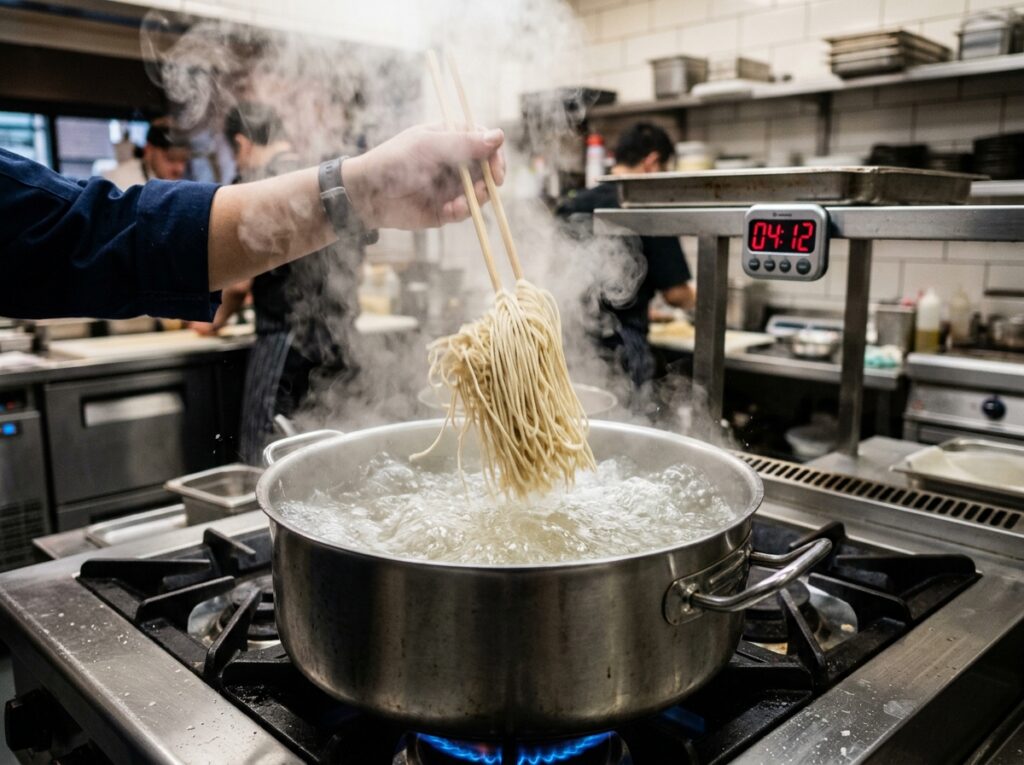
Bring a large pot of water to a rolling boil and add a tablespoon of salt. This is not just for flavor—salt raises the boiling point slightly and helps set the starches on the surface of the noodles, giving them a firmer bite.
Drop your noodles in and stir immediately to prevent sticking. Check the package instructions and subtract one minute. If it says 4 minutes, cook for 3. You want the noodles to have resistance in the center because they will continue to firm up as they cool.
Keep the water at a strong boil. If the temperature drops, the noodles absorb too much water and turn mushy. This is especially important for rice noodles and soba, which are more delicate than wheat-based pasta.
Step 2: The Ice-Shock Starch Lock
The moment your timer goes off, drain the noodles in a colander and immediately plunge them into a large bowl filled with ice water. This is non-negotiable.
The cold shock stops the cooking process instantly. More importantly, it triggers starch retrogradation in a controlled way—the surface starches crystallize just enough to give the noodles a firm, chewy texture without turning them rubbery.
Swirl the noodles around in the ice bath for 30 seconds, then drain again. Rinse under cold running water while gently tossing with your hands. You will feel the noodles become slippery and separate. That is the excess starch washing away.
Shake off the water and toss the noodles with a teaspoon of sesame oil to prevent them from sticking while you prep the sauce. This step alone transforms how to keep peanut sauce from separation later—because clean noodles do not leach water into your emulsion.
Step 3: The Hot-Water Emulsion Whisk
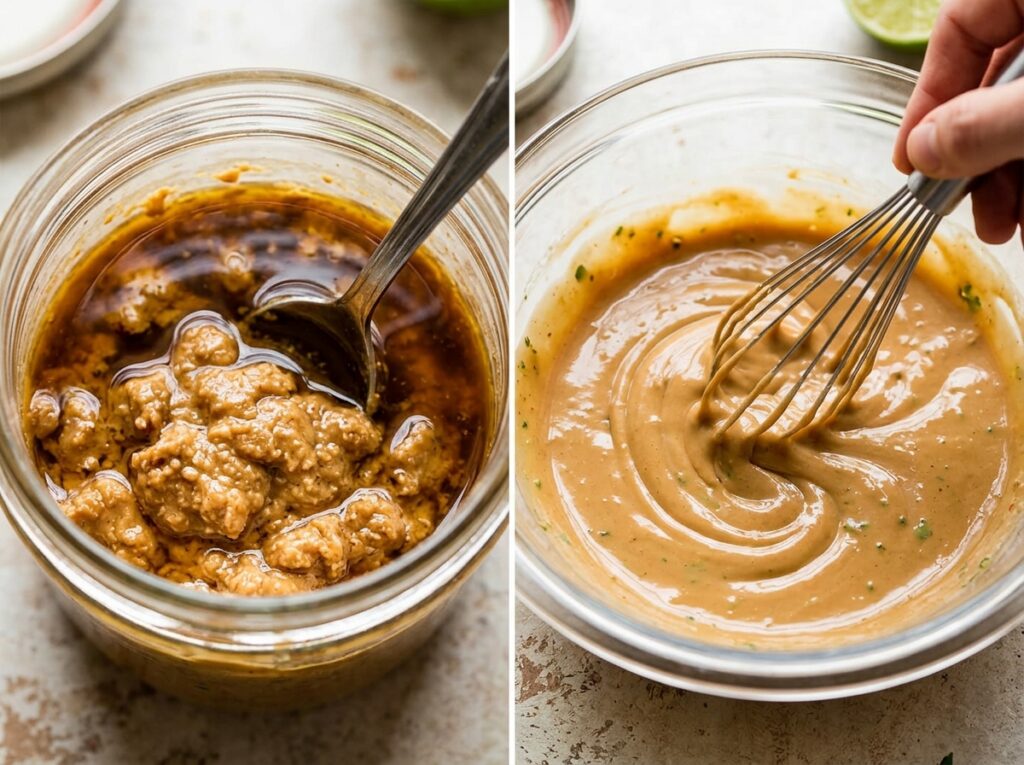
In a medium mixing bowl, combine the peanut butter, soy sauce, rice vinegar, sesame oil, honey, lime juice, grated ginger, and minced garlic. Stir once. It will look like a thick, stubborn paste. Do not panic.
Now add two tablespoons of hot water—not warm, hot—and start whisking. At first, the mixture will seize and get even thicker. This is the sauce seizure paradox. The fat molecules are resisting the water.
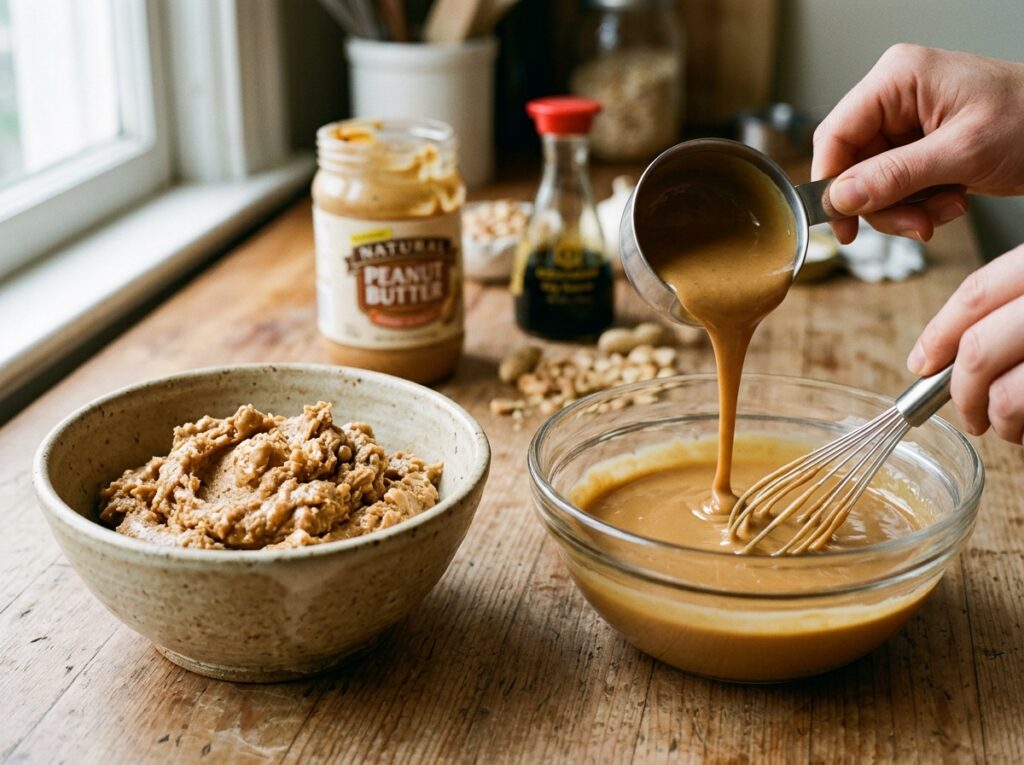
Keep whisking. Add another tablespoon of hot water. Suddenly, the sauce will break loose. It will go from matte and clumpy to glossy and smooth in a matter of seconds. The mechanical shear from whisking, combined with the heat, forces the oil and water phases to integrate.
Add more hot water, one tablespoon at a time, until the sauce reaches the consistency of heavy cream. It should drip off a spoon in a slow, steady ribbon. Taste it. Adjust with more soy sauce for salt, more lime for tang, or more honey for sweetness.
This is the best peanut sauce for cold noodles—and you just engineered it from scratch.
Step 4: The Rainbow Vegetable Shred
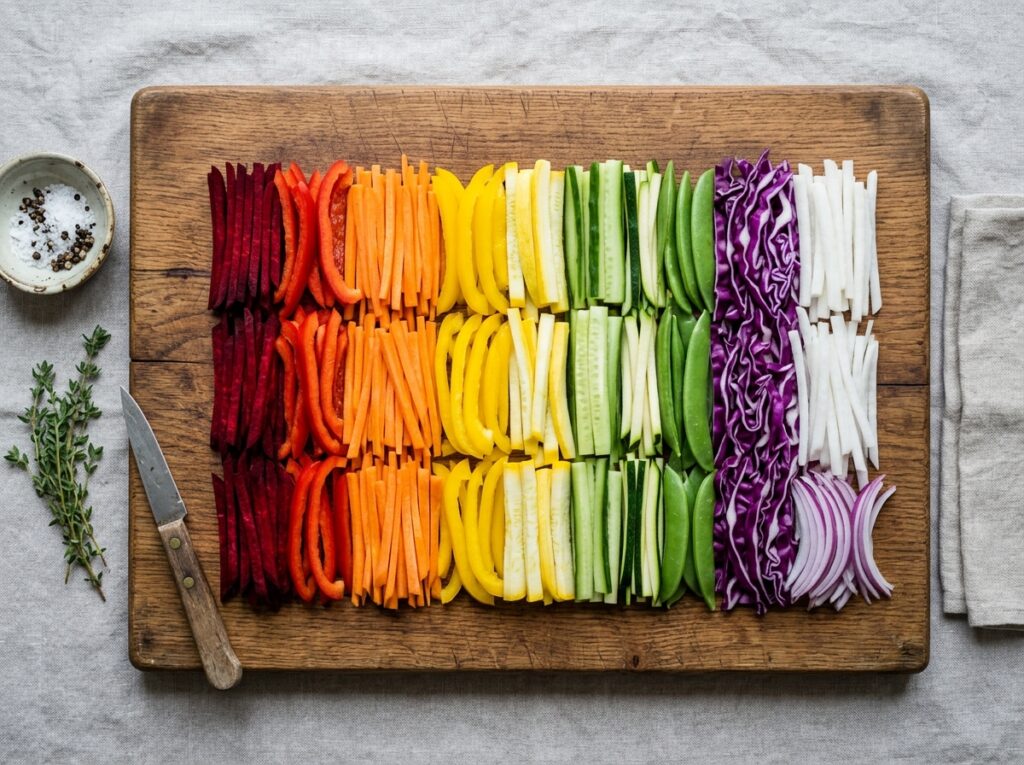
This ensures your veggies stay crisp when mixed into the Cold Peanut Noodle Salad.
While the noodles cool, prep your crunchy vegetables for Cold Peanut Noodle Salad. Use a sharp knife or a mandoline to cut everything into thin, uniform julienne strips. The goal is matchstick-sized pieces that will tangle with the noodles, not chunky dice that sit awkwardly on top.
Red cabbage gives you color and crunch. Bell peppers add sweetness. Persian cucumbers bring a cool, hydrating snap. Shredded carrots contribute earthy sweetness and a pop of orange.
Keep the vegetables as dry as possible. If you wash them, spin them dry or pat with a towel. Excess water will dilute your sauce and turn the salad soggy, especially if you are making this as part of meal prep cold pasta ideas.
Chop your cilantro and slice your scallions thin on a bias for visual interest. Set everything aside in separate piles so you can toss them together right before serving.
Step 5: The Cold-Toss Fusion
Make sure your noodles are completely cool. If they are even slightly warm, the vegetables will wilt and lose their crunch.
In a large mixing bowl, combine the noodles and about three-quarters of the peanut sauce. Use tongs or your hands to toss everything together, lifting and turning so every strand gets coated. The sauce should cling to the noodles without pooling at the bottom of the bowl.
Now add the vegetables—cabbage, peppers, cucumbers, carrots—and toss again. The colors should be evenly distributed, not clumped in one section.
Taste a forkful. If it needs more sauce, drizzle in the rest. If it tastes flat, add a pinch of salt or a squeeze of lime. If it feels too thick, add a tablespoon of warm water and toss again.
Transfer to a serving bowl or individual portions. Top with chopped roasted peanuts, sesame seeds, cilantro, and scallions. The textures should be layered—slippery noodles, crunchy vegetables, nutty toppings, and that glossy, savory-sweet sauce tying it all together.
This is Cold Peanut Noodle Salad at its finest.

Cold Peanut Noodle Salad
Ingredients
Equipment
Method
- Bring a large pot of water to a rolling boil and add 1 tablespoon of salt.
- Add the noodles and cook for 1 minute less than package instructions (usually 3-4 minutes for soba). Stir immediately to prevent sticking.
- Keep water at a strong boil throughout cooking.
- The moment the timer goes off, drain noodles in a colander.
- Immediately plunge noodles into a large bowl filled with ice water. Swirl for 30 seconds.
- Drain again and rinse under cold running water while gently tossing with your hands.
- Shake off excess water and toss with 1 teaspoon sesame oil to prevent sticking. Set aside.
- In a medium mixing bowl, combine peanut butter, soy sauce, rice vinegar, sesame oil, honey, lime juice, grated ginger, and minced garlic.
- Add 2 tablespoons of hot water and start whisking. The mixture will seize and get thick at first—this is normal.
- Keep whisking and add another tablespoon of hot water. The sauce will suddenly break loose and become glossy.
- Add more hot water, 1 tablespoon at a time, whisking constantly, until the sauce reaches the consistency of heavy cream. It should drip off a spoon in a slow ribbon.
- Taste and adjust: add more soy sauce for salt, lime for tang, or honey for sweetness.
- Use a sharp knife or mandoline to julienne the red cabbage, bell pepper, and cucumber into thin matchstick-sized strips.
- Shred the carrots finely.
- Chop cilantro and slice scallions. Keep all vegetables dry.
- Make sure noodles are completely cool.
- In a large mixing bowl, combine noodles with about ¾ of the peanut sauce. Use tongs to toss thoroughly until every strand is coated.
- Add the julienned vegetables (cabbage, bell pepper, cucumber, carrots) and toss again until evenly distributed.
- Taste and add remaining sauce if needed, or a tablespoon of warm water if too thick.
- Transfer to a serving bowl or individual portions.
- Top with chopped roasted peanuts, sesame seeds, cilantro, and scallions.
- Serve immediately, or refrigerate for up to 3 days in an airtight container.
Notes
Chef Mansoor’s Insight
Cold noodles represent the ultimate harmony of texture, temperature, and macro-nutrients in a single bowl. They demand precision—not in measurements, but in timing. The ice bath, the emulsion whisk, the moment you toss the vegetables. These are not mere steps. They are decisions that stack on top of each other, each one amplifying the next. A Cold Peanut Noodle Salad is proof that science and intuition are not opposites. They are partners. The quiet confidence in your kitchen comes from understanding why things work, not just following a recipe. Master the emulsion, and you master the dish.
— Chef Mansoor, Flavour Bazar
Nutrition Information (Per Serving, Serves 4)
| Nutrient | Amount |
|---|---|
| Calories | 420 kcal |
| Protein | 14 g |
| Total Fat | 19 g |
| Saturated Fat | 3 g |
| Carbohydrates | 48 g |
| Dietary Fiber | 5 g |
| Sugars | 8 g |
| Sodium | 620 mg |
| Cholesterol | 0 mg |
Note: Nutrition values are estimates and will vary based on specific brands and portion sizes. Peanuts provide healthy monounsaturated fats and plant-based protein.
Food Safety & Temperature Guide
| Food Safety Element | Temperature / Guideline |
|---|---|
| Boiling water for noodles | 212°F / 100°C (sea level) |
| Ice bath temperature | 32–40°F / 0–4°C |
| Safe refrigeration | Below 40°F / 4°C |
| Danger zone (avoid) | 40–140°F / 4–60°C |
| Maximum fridge storage | 3–4 days in airtight container |
Cross-Contamination Note: Wash all raw vegetables thoroughly under running water. Use separate cutting boards for vegetables and any proteins if adding chicken or shrimp. Store leftover Cold Peanut Noodle Salad in airtight containers to prevent odor absorption and moisture loss.
Storage & Meal Prep Guide
| Storage Method | Duration | Best Practices |
|---|---|---|
| Refrigerator (fully assembled) | 2–3 days | Store in airtight container; refresh with 1–2 tbsp warm water before serving |
| Refrigerator (components separate) | 4 days | Store noodles, sauce, and vegetables separately; toss just before eating |
| Freezer (not recommended) | — | Vegetables lose crunch; noodles turn mushy upon thawing |
| Best reheating method | Serve cold | If noodles seem dry, toss with warm water or extra sauce |
Meal Prep Cold Pasta Ideas: Portion the noodles and vegetables into individual containers. Pack the peanut sauce separately in small jars. Toss together just before eating for maximum freshness and crunch.
FAQ: Cold Peanut Noodle Salad
Can I make this gluten-free?
Yes, customizing this Cold Peanut Noodle Salad with gluten-free alternatives is incredibly simple.. Use 100% buckwheat soba noodles (check the label—some soba contains wheat) or rice noodles. Swap regular soy sauce for tamari or coconut aminos. Everything else in this gluten-free cold noodle recipe is naturally gluten-free.
Why does my peanut sauce keep separating in the fridge?
This happens when the emulsion was not fully formed or if the sauce was too cold when mixed. Always use hot water to create the emulsion, and whisk vigorously. If it separates after storage, whisk in a tablespoon of warm water to re-emulsify before serving.
Can I add protein to this salad?
Yes. Shredded rotisserie chicken, grilled shrimp, baked tofu, or edamame all work beautifully. Add them cold, and toss them in with the vegetables. If using tofu, press it first and pan-fry until crispy for the best texture contrast.
How do I keep the vegetables crunchy for meal prep?
Store the vegetables and noodles separately from the sauce. Toss everything together just before eating. If you must assemble ahead, use heartier vegetables like cabbage and bell peppers, and skip the cucumbers until serving.
What if I do not have rice vinegar?
Use apple cider vinegar or white wine vinegar. In a pinch, extra lime juice works too. The acid is essential—it balances the richness of the peanut butter and helps stabilize the emulsion.
You Might Also Love These Flavour Bazar Recipes
Creamy Avocado Pasta Sauce
Another healthy fat emulsification wonder that stays silky without cream
Homemade Chicken Gravy (From Drippings to Velvet)
Use your turkey drippings to make the smoothest, most flavourful gravy. The roux method explained.
Crispy Air Fryer Brussels Sprouts with Garlic
Caramelization and Maillard browning applied to vegetables.
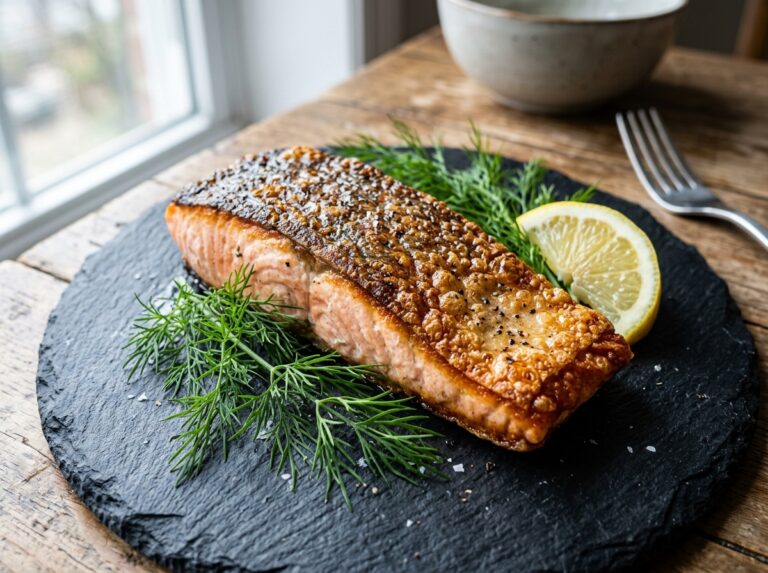
Air Fryer Salmon: The Science of the Perfect 15-Minute Recipe
The perfect salmon.
For Mover Healthy Recipes Visit: flavourbazar.com